Cupping therapy may look a little strange at first—round red marks on the skin, glass or silicone cups stuck to someone’s back—but this ancient practice is gaining popularity in modern wellness routines. Athletes, celebrities, and everyday people are turning to cupping to ease pain, reduce stress, and improve overall health.
So, what exactly is cupping therapy, and does it really work? Let’s break it down in simple terms.
What Is Cupping Therapy?
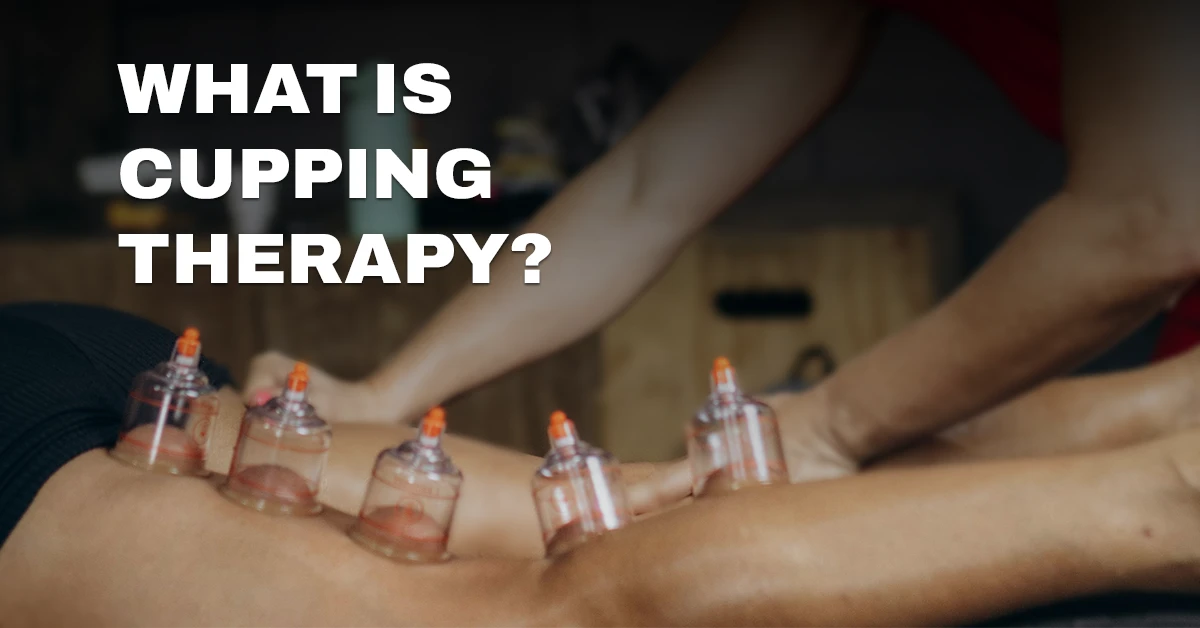
Cupping therapy is a form of alternative medicine where a therapist places special cups on your skin to create suction. This suction gently pulls your skin upward, increasing blood flow to the area. Think of it like a reverse massage—rather than pushing down on the muscles, the cups lift the tissue.
Cupping has been used for thousands of years in traditional Chinese, Middle Eastern, and Egyptian medicine. Today, it’s used around the world as a complementary therapy for pain relief, muscle recovery, and relaxation.
Types of Cupping
There are two main types of cupping:
- Dry Cupping: This is the most common form. Cups are placed on the skin and suction is applied using heat or a pump. No blood is drawn.
- Wet Cupping (Hijama): After using suction, the skin is lightly pricked with a sterile blade and the cup is placed again to draw out a small amount of blood. This is believed by some practitioners to help remove “toxins” or stagnant blood.
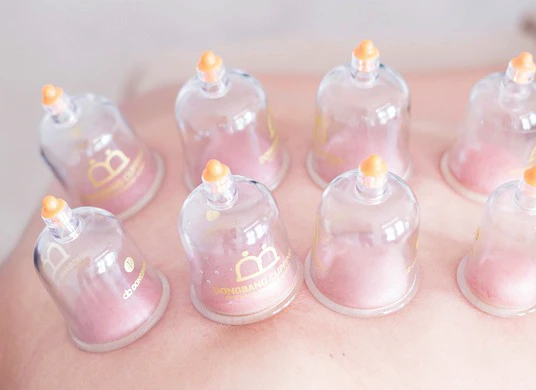
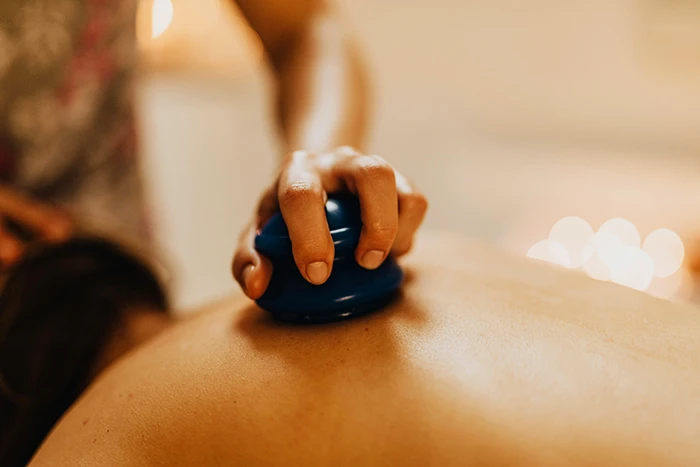
Cups can be made of glass, silicone, plastic, or bamboo, and come in various sizes depending on the area being treated.
How Does It Work?
Cupping increases circulation in the area where the cups are placed. This helps relieve muscle tension, promote cell repair, and aid in overall healing. Some believe it helps flush out toxins and supports the immune system, though more research is needed to confirm these claims.
While science is still catching up, many users report feeling less pain, more relaxed muscles, and improved mobility after a session.
What Are the Benefits of Cupping Therapy?
Cupping is used for a variety of health concerns. Some of the most common benefits include:
- Pain relief: Especially for back, neck, shoulder, and knee pain
- Muscle recovery: Helps athletes recover faster after workouts
- Improved blood flow: Enhances circulation and reduces inflammation
- Stress and anxiety relief: The relaxing nature of cupping can help calm the nervous system
- Headache and migraine relief
- Support for respiratory conditions: Sometimes used for asthma, coughs, or sinus issues
Some also use cupping for skin issues like acne or to promote better digestion, though scientific evidence for these uses is limited.
What Does a Cupping Session Look Like?
Here’s what typically happens:
- Preparation: The therapist may ask about your health history and current concerns.
- Application: Cups are placed on the skin—usually on the back, shoulders, or legs.
- Suction: Suction is created using a pump or by heating the air inside the cup.
- Waiting: Cups stay in place for 5–15 minutes.
- Removal: Cups are removed and the skin is cleaned. If it’s wet cupping, light incisions may be made before reapplying the cup.
After the session, you’ll probably have round red or purple marks. These usually fade within a few days.
Is Cupping Safe?
For most people, yes. Cupping is considered safe when done by a trained and certified practitioner.
Possible side effects include:
- Temporary bruising or red marks
- Mild discomfort during the session
- Skin irritation
Avoid cupping if you:
- Have bleeding disorders
- Take blood-thinning medication
- Are pregnant (unless approved by a doctor)
- Have skin infections or open wounds
Always check with your healthcare provider before trying cupping—especially if you have a medical condition.
How Often Should You Do It?
It depends on your goals. Some people go weekly for chronic pain, while others use it occasionally for stress relief or recovery. Your therapist can help create a plan that suits your needs.
Final Thoughts
Cupping therapy isn’t a magic cure, but many people find it helpful as part of a larger wellness plan. Whether you’re dealing with back pain, sore muscles, or just want to de-stress, cupping might be worth exploring.
Just make sure to go to a licensed, experienced practitioner—and don’t be alarmed by those marks. They’re a normal part of the process and fade quickly.